


The Invoice Anatomy: Detecting Fake GST Bills Before They Hit Your Books
Spot fake GST invoices early by knowing what to check—and what most teams miss.
Executive Summary: The 18% Leak in Your P&L
In the boardrooms of India’s mid-market enterprises (₹50 Cr – ₹500 Cr), discussions usually revolve around Revenue Growth, EBITDA margins, and Market Share. Rarely do we discuss the "Quality of the Invoice."
This oversight is expensive.
Since the implementation of GST, the Directorate General of GST Intelligence (DGGI) has unearthed tax evasion worth thousands of crores, predominantly driven by Fake Invoicing. For the honest business owner, the risk is not just about generating fake bills (which you don't do) but accepting them (which you inadvertently do).
Under Section 16 of the CGST Act, your eligibility to claim Input Tax Credit (ITC) is dependent on your vendor’s compliance. If your vendor—whether a raw material supplier or a taxi driver—fails to file their GSTR-1 or GSTR-3B, or if their GSTIN is suspended, your ITC is denied.
You effectively lose 18% of the transaction value. Plus interest (18-24%). Plus penalties.
For a company with ₹5 Cr in annual indirect expense spend, a 10% non-compliance rate among vendors translates to a direct P&L hit of ₹9 Lakhs—pure profit wiped out by bad paperwork.
This blog post dissects the anatomy of a non-compliant invoice. We analyze why traditional "Manual Gatekeeping" (the Munim-ji checking bills) fails in the high-volume GST era, and how deploying an "Intelligence Layer" like Effortless can automate fake GST bill detection, protect your ITC, and ensure 100% vendor compliance.
1. The Context: Why "Good" Companies End Up with "Bad" Credit
The tragedy of the current GST regime is that you can be penalized for someone else's crime.
The Scenario:
You are a reputable manufacturer. You buy packaging material from "Vendor A." You pay the bill: ₹1 Lakh + ₹18,000 GST.
You file your GSTR-3B and claim the ₹18,000 as credit.
Six months later, you receive a notice. "Vendor A" never deposited that ₹18,000 to the government. Or worse, "Vendor A" was a shell company that dissolved.
The Consequence: You must reverse the ₹18,000 credit. You must pay interest on it. And your "Compliance Rating" drops.
The "Manual" Blind Spot:
Why didn't your accounts team catch this?
Because in a manual workflow, the accountant checks the face of the invoice.
Does it have a GSTIN? Yes.
Is the calculation correct? Yes.
Is the PO matching? Yes.
But the toxicity of the invoice lies behind the face. It lies in the vendor’s filing status on the GSTN portal—a dynamic datapoint that changes every month. No human accountant can manually check the live filing status of 500 vendors every time a bill is booked.
This gap—between the physical paper and the digital truth—is where Input tax credit loss happens.
2. The Anatomy of a "Fake" Bill
To stop a fake bill, you must understand its forms. In our analysis of data flowing through the Effortless engine, we categorize "Bad Bills" into three distinct anatomies.
Type A: The "Ghost" Invoice (The Fraud)
This is a bill issued by a "Bill Trader"—an entity that exists only to pass on credit without supplying goods.
Visual Marker: Looks perfectly professional.
Digital Marker: The GSTIN is active, but the entity has "Suo Moto Cancellation" proceedings initiated against it, or it is flagged as "Risky" due to mismatch in GSTR-1 vs GSTR-3B.
Risk Level: Critical. Accepting this invites criminal investigation.
Type B: The "Zombie" Invoice (The Lazy Compliance)
This comes from a genuine vendor who is operationally sloppy.
Visual Marker: Standard invoice.
Digital Marker: The vendor has not filed GSTR-1 for the last 2 months.
Risk Level: High. You cannot claim ITC until they file. If you pay them the full GST amount now, you are effectively giving them an interest-free loan that might become a bad debt if they never file.
Type C: The "Casual" Invoice (The Expense Leak)
This originates from your own employees—Sales Reps and Field Staff.
Visual Marker: A crumpled thermal receipt from a hotel or restaurant.
Digital Marker: The GSTIN on the receipt is invalid, or the expense category (e.g., Food & Beverages) is blocked for ITC under Section 17(5).
Risk Level: Moderate. If your accountant books this under "Eligible ITC," you will face audit queries later.
3. The Failure of the "Post-Mortem" Approach
Most organizations rely on Tally Prime as their defense.
The Workflow: The bill comes in -> Accountant enters it in Tally -> At month-end, the CA runs a GSTR-2B reconciliation.
The Problem: This is a Post-Mortem. By the time the reconciliation happens, the payment has often already been made. The cash has left the building.
If you have already paid the vendor the GST component, and then find out they are non-compliant, you have zero leverage. You are now chasing them for a refund, which rarely comes.
The Strategic Pivot:
You must move from "Post-Accounting Reconciliation" to "Pre-Accounting Validation." You need to stop the bad data before it enters Tally.
4. The Solution: The Effortless "Compliance Firewall"
Effortless acts as a "Pre-Accounting Firewall." It sits between the outside world (Vendors/Employees) and your core ledger (Tally). It uses Mobile IDP (Intelligent Document Processing) and real-time API integration with the GST Network (GSTN) to validate every transaction at the source.
Here is the 3-Step "Gatekeeper" Protocol:
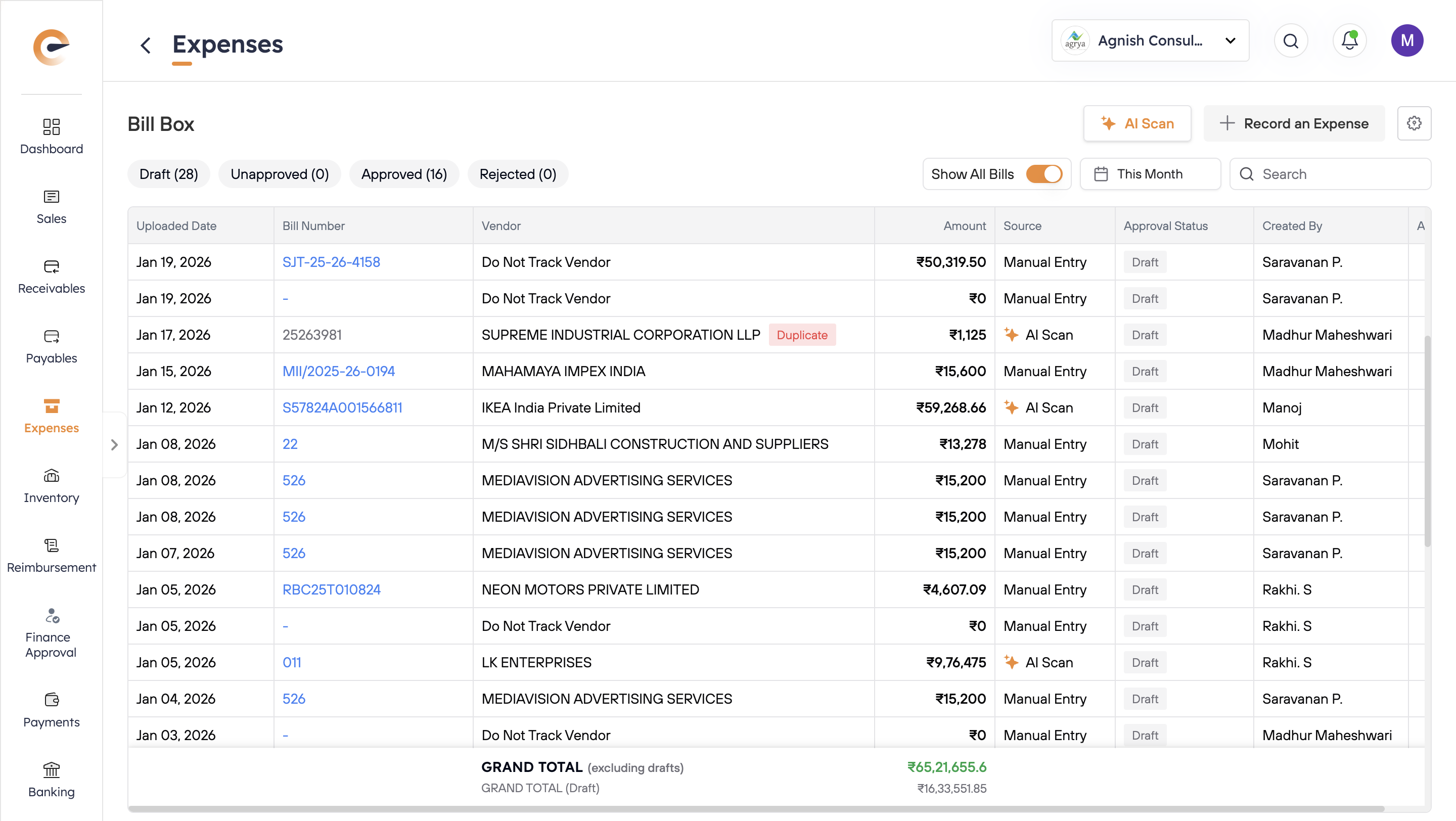
Step 1: The AI Scan (Optical Intelligence)
Instead of an accountant typing data, the vendor or employee uploads the bill via the mobile bill booking app or email.
The Tech: The GST invoice scanner reads the image. It extracts the Vendor Name, Invoice Number, Date, Total Amount, and most importantly, the GSTIN.
The Check: It checks for Duplicates. If Invoice #105 from Vendor X was already processed last week, the system flags it instantly. Manual workflow failure: Zero.
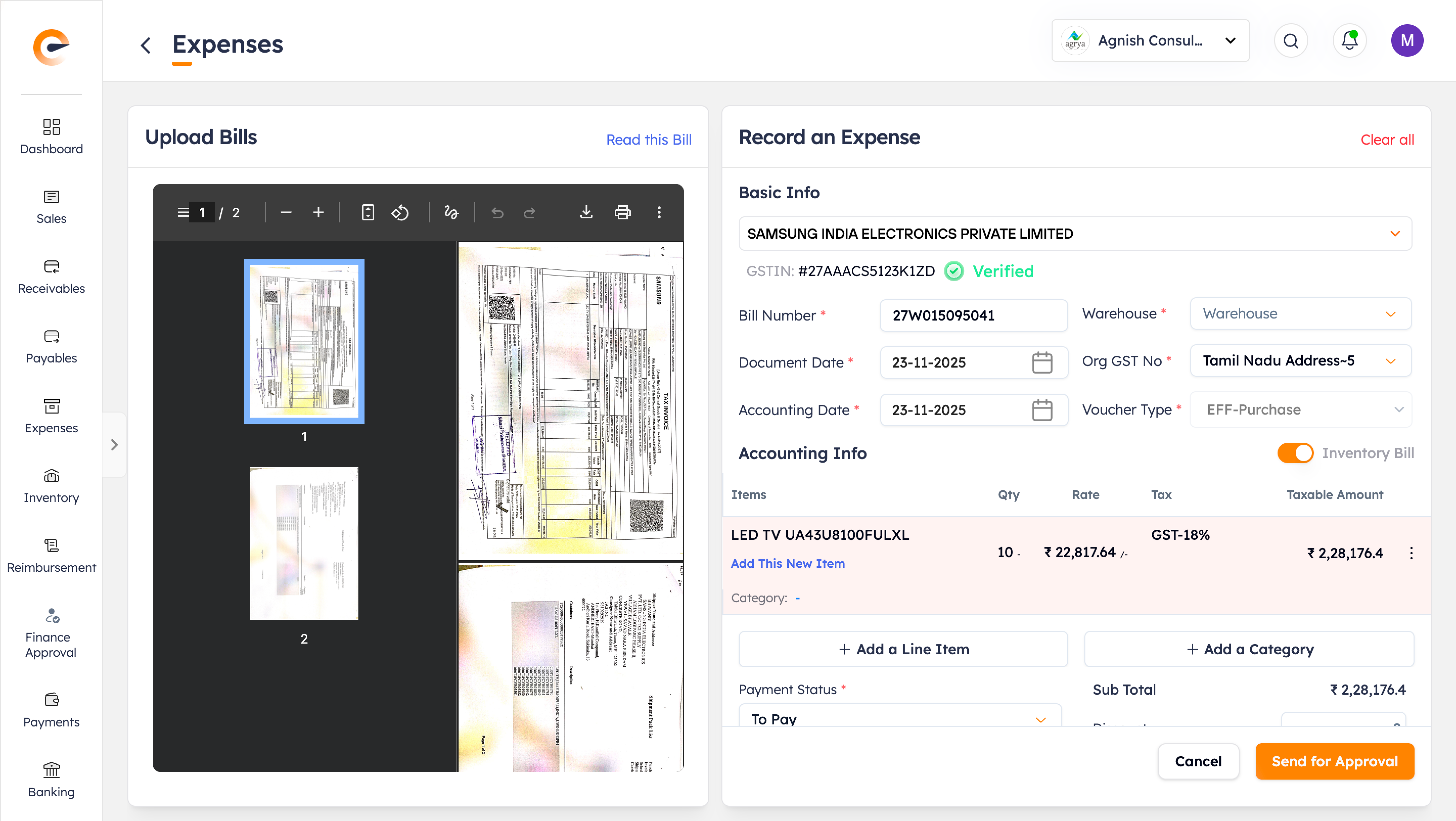
Step 2: The Real-Time Ping (Digital Validation)
This is the core differentiator.
The Tech: Effortless pings the Government GST Portal in real-time.
The Data Retrieved:
Is the GSTIN Active?
What is the Vendor’s Filing Status (GSTR-1 and 3B) for the last 3 months?
Is the GSTIN blocked?
The Decision Engine: If the vendor has not filed GSTR-1, the system triggers a "Vendor Compliance Check" alert.
Step 3: The "Split-Pay" Defense (Financial Control)
If a vendor is flagged as "Non-Compliant" (e.g., GSTR-1 pending), Effortless allows you to automate a defensive payment strategy.
The Logic: You approve the Base Amount (Taxable Value) for payment.
The Hold: You hold back the GST Component (18%).
The Communication: The system automatically notifies the vendor: "Your GST payment of ₹18,000 is on hold because your GSTR-1 is pending. Please file to release payment."
The Result: You protect your cash flow. You protect your compliance rating. And you force the vendor to fall in line.
5. Beyond Fraud: The Operational Efficiency of Automation
While Fake GST bill detection is the primary governance benefit, the operational ROI is equally massive.
Manual vs. Automated Expense Management:
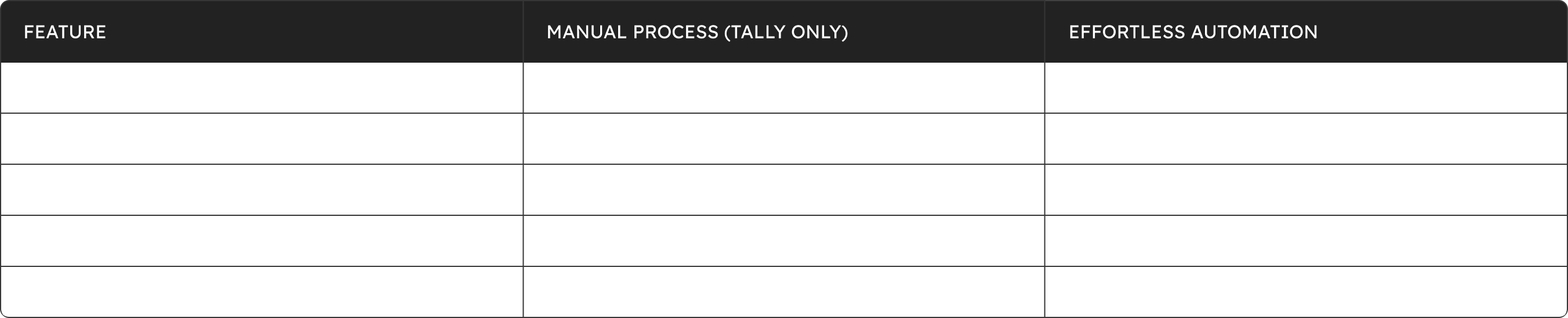
By adopting expense management India tools like Effortless, you aren't just "detecting fraud"; you are streamlining the entire purchase invoice app workflow. This is critical for Cash flow management software for MSMEs India, as it speeds up the "Procure-to-Pay" cycle for legitimate vendors while blocking the bad ones.
6. Field Expenses: The "Silent" Leak
A significant portion of fake bills comes from "Petty Cash" and "Travel Claims."
The Scenario: A sales rep submits a restaurant bill for ₹2,000. It looks real.
The Effortless Check: When the rep scans it using the employee expense claim app, the system detects that the GSTIN belongs to a "Composition Dealer" who is not authorized to collect tax.
The Action: The system auto-rejects the tax claim, saving you from claiming invalid ITC.
Furthermore, leveraging the salesperson GPS tracker data, Effortless can cross-verify: Did the employee actually visit the location of this restaurant at the time on the bill?
This intersection of field force tracking app India data and financial data is the ultimate fraud deterrent.
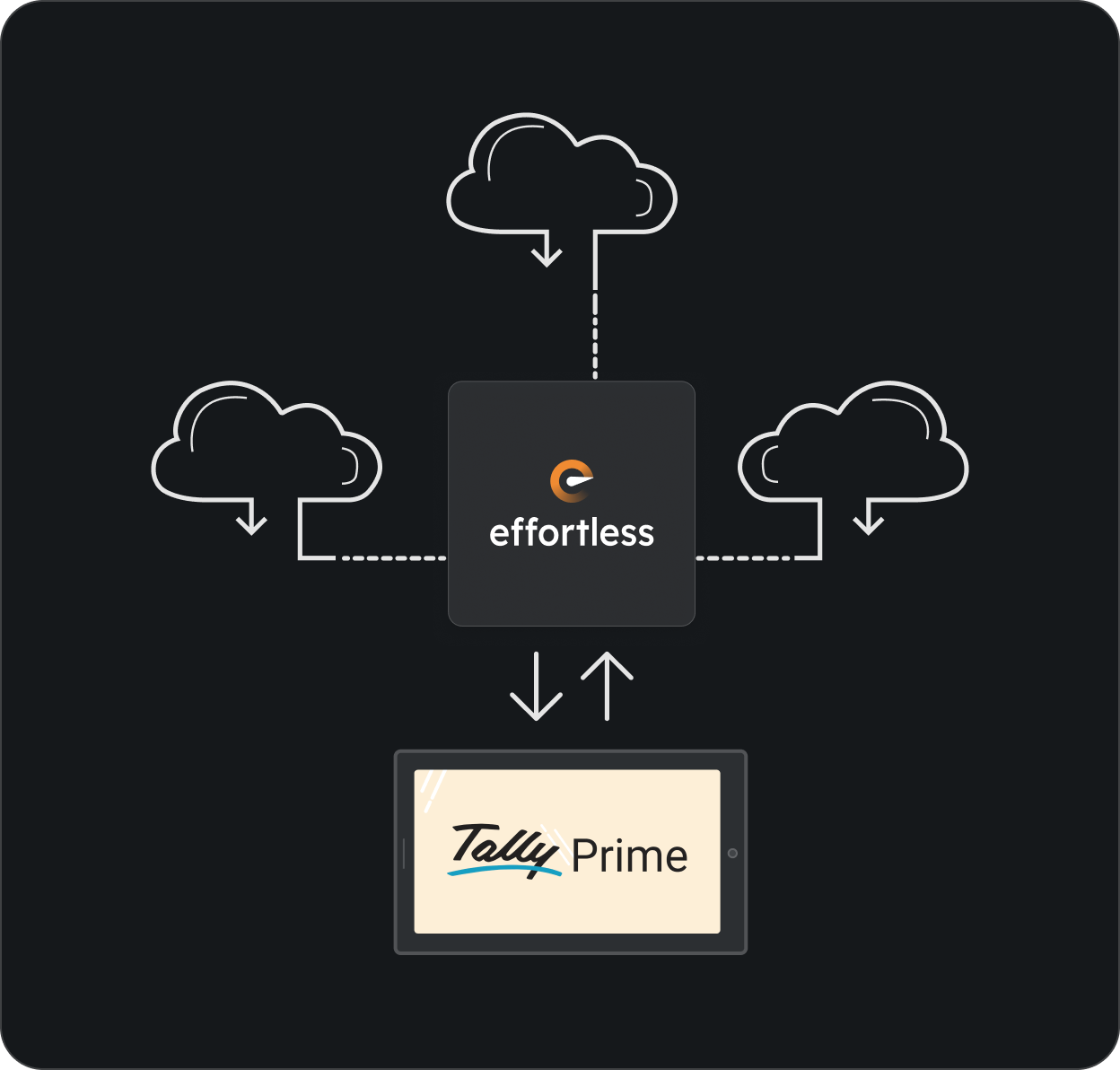
7. Tally Integration: The "Clean Data" Promise
Governance tools fail if they don't integrate with the core ledger.
Effortless is a Tally-integrated GST billing software India solution.
The Sync Workflow:
Validation: Bill is scanned and validated in Effortless.
Approval: Manager approves via multi-level approval software.
Posting: Effortless pushes the entry to Tally as a "Purchase Voucher" or "Journal Voucher."
Attachment: The image of the verified bill is attached to the Tally entry (via link).
This ensures that your Tally data is Audit-Ready. When the tax auditor arrives, you don't need to dig through files. You show them the Tally entry, the digital attachment, and the "Compliance Validated" timestamp from Effortless.
8. Strategic Verdict: Compliance is a Boardroom Issue
For the Founder and CFO, GST Compliance is no longer a back-office administrative task. It is a Boardroom Risk.
IPO Readiness: Investors will not touch a company with open GST litigations or loose internal controls.
Working Capital: Losing 18% margin on purchases due to denied ITC destroys your unit economics.
Reputation: Being flagged as a "Risky Taxpayer" triggers scrutiny on your customers as well.
The days of "Chalta Hai" (It's okay) invoice processing are over.
You need a "Zero Trust" architecture for your accounts payable.
You need Effortless.
By automating the "Anatomy Check" of every invoice, you turn your accounts department into a fortress. You ensure that every rupee of Input Tax Credit on your books is real, claimable, and defensible.
Key Takeaways & FAQ
Q1: How does the "GSTIN Validation" actually work?
A: Effortless integrates with the GSTN (Goods & Services Tax Network) via secure APIs. When our App to validate GSTIN and automate e-invoicing scans a bill, it fetches the real-time status of that GSTIN from the government database to confirm if it is Active, Suspended, or Cancelled.
Q2: Can we automate the checking of GSTR-2B vs. Purchase Register?
A: Yes. Effortless automates the reconciliation. It matches your Purchase Register (booked bills) against the GSTR-2B (government data) to highlight missing invoices, allowing you to follow up with vendors before filing returns.
Q3: Does this work for employee travel bills?
A: Absolutely. The mobile bill booking app is designed for employees to capture travel and food expenses on the go. The AI reads the bill, and the system checks if the vendor (hotel/restaurant) is compliant, ensuring you don't claim blocked credits.
Q4: How to automate bank reconciliation with Tally to catch payment frauds?
A: Fake bills often lead to payments to personal accounts instead of company accounts. Effortless integrates with your corporate bank. By automating bank reconciliation, it ensures that the beneficiary name in the bank matches the vendor name in the GST record, adding a second layer of security.
Q5: Is this useful for small vendors who don't have proper invoices?
A: For small vendors (Unregistered), Effortless allows you to book expenses under the "URD" (Unregistered Dealer) category automatically. It prevents the accidental booking of GST credit where none exists, keeping your books clean.
Suggested Reading from the Effortless Edge Blog
The ₹100 Cr Ceiling: Why Companies Stop Growing on Basic Tally – How manual processes expose you to risk.
Stop the Leakage: 5 Ways Manual Expense Claims Cost You 4% of Revenue – Deep dive into expense fraud.
IPO Ready: How to prepare your financial data for due diligence – Why clean GST data is essential for valuation.
Don’t Fire Your Munim-ji: Balancing modern tech with traditional accounting wisdom – Empower your accountant with compliance tools.
Is your Input Tax Credit at risk?
[Book a Compliance Audit] with Effortless and scan your top 50 vendors for hidden risks today.
Growth Doesn't Wait. Why Should You?
Let Effortless help you scale—without the scramble.
Talk to Us
Have questions about how Effortless can transform your business? Our team of experts is ready to help.
- Schedule a personalized demo
- Get your specific questions answered
- Discuss your unique business challenges
We'll reach out within 4 business hours
Request Demo
See Effortless in action with a personalized demo tailored to your business.
- No generic presentations
- Focus on your specific challenges
- Get a clear picture of your potential ROI
Choose a time that works for you
Your Growth Engine Starts Here
More growth, less overhead. Discover how India's fastest growing businesses do it.
- Automate invoicing, collections & approvals
- Track sales team performance
- Get cashflow clarity in real-time
Clarity in 30 minutes. No pressure, just proof.