


Case Study: How Krish Overseas Streamlined Order-to-Cash and Accelerated Processing by 10X
Disconnected systems slowed orders. Effortless helped process orders 10X faster.

Executive Summary: The "Scale Paradox"
In the textile and export sector, growth often breaks the very systems that created it. For Krish Overseas, established in 1994; a leading player in the fashion export industry, scaling revenue wasn't the problem—operations were.
As orders multiplied, the friction between the Merchandising Team (Sales) and the Accounts Team (Finance) began to compound. The company was running a modern, high-velocity export business on a communication stack built for casual conversation: WhatsApp.
This case study analyzes how Krish Overseas dismantled their "WhatsApp + Tally" silo and deployed Effortless as a unified operational layer. By centralizing the Order-to-Cash (O2C) cycle, they achieved a 10X increase in processing speed and eliminated the manual coordination tax that was slowing down their growth.
1. Background: The High-Stakes World of Export Merchandising
Krish Overseas operates in a sector defined by precision. In fashion export, an "Order" is not just a SKU and a Quantity. It is a complex contract involving fabric specifications, delivery timelines, rigorous quality checks, and tight payment terms.
The Merchandiser (sales team) steers the product lifecycle from start to finish. They manage the buyer relationship, track the production status, and ensure timely dispatch. The Accounts Team is the gatekeeper. They ensure credit limits are respected, invoices are raised correctly, and payments are collected.
When these two teams operate in sync, the business prints money. When they drift apart, the business bleeds margin.
For Krish Overseas, the gap was widening. The Merchandisers were moving at the speed of the market, while the Accounts team was stuck chasing data.
2. The Challenge: The "WhatsApp + Tally" Trap
Before Effortless, Krish Overseas ran on a fragmented architecture that is typical of Indian mid-market enterprises.
The "Unstructured Data" Problem
The primary channel for internal communication was WhatsApp.
The Workflow: A merchandiser (Sales team) would confirm an order with a buyer via email or phone. They would then type the details into a WhatsApp group: "Buyer X, 5000 units, Style A, Dispatch next week."
The Failure Point: WhatsApp is a chat tool, not a database. Messages would get buried. Critical details (like specific payment terms) were often omitted or lost in the thread.
The Result: The Accounts team frequently missed orders or raised invoices with incorrect details, leading to disputes and delayed payments.
The Visibility Black Hole
Management lacked a "Single Source of Truth."
Sales View: The Merchandiser (sales team) knew the order was confirmed.
Finance View: The Accountant didn't know the order existed until the goods were ready to ship.
Management View: The Managing Director (MD) had no real-time dashboard to see the total "Open Order Book" or "Pending Dispatches." They had to call three different people to get a simple status update.
The "he-said-she-said" Friction
When an error occurred—wrong pricing, missed deadline, or exceeded credit limit—the root cause analysis was impossible. The data was scattered across email threads, WhatsApp chats, and Tally comments. There was no audit trail.
3. The Transformation: Deploying the "Operating System"
Recognizing that manual coordination was unsustainable, Krish Overseas implemented Effortless to bridge the gap between their field teams and their back office.
The shift wasn't just about software; it was about establishing a "Digital Protocol."
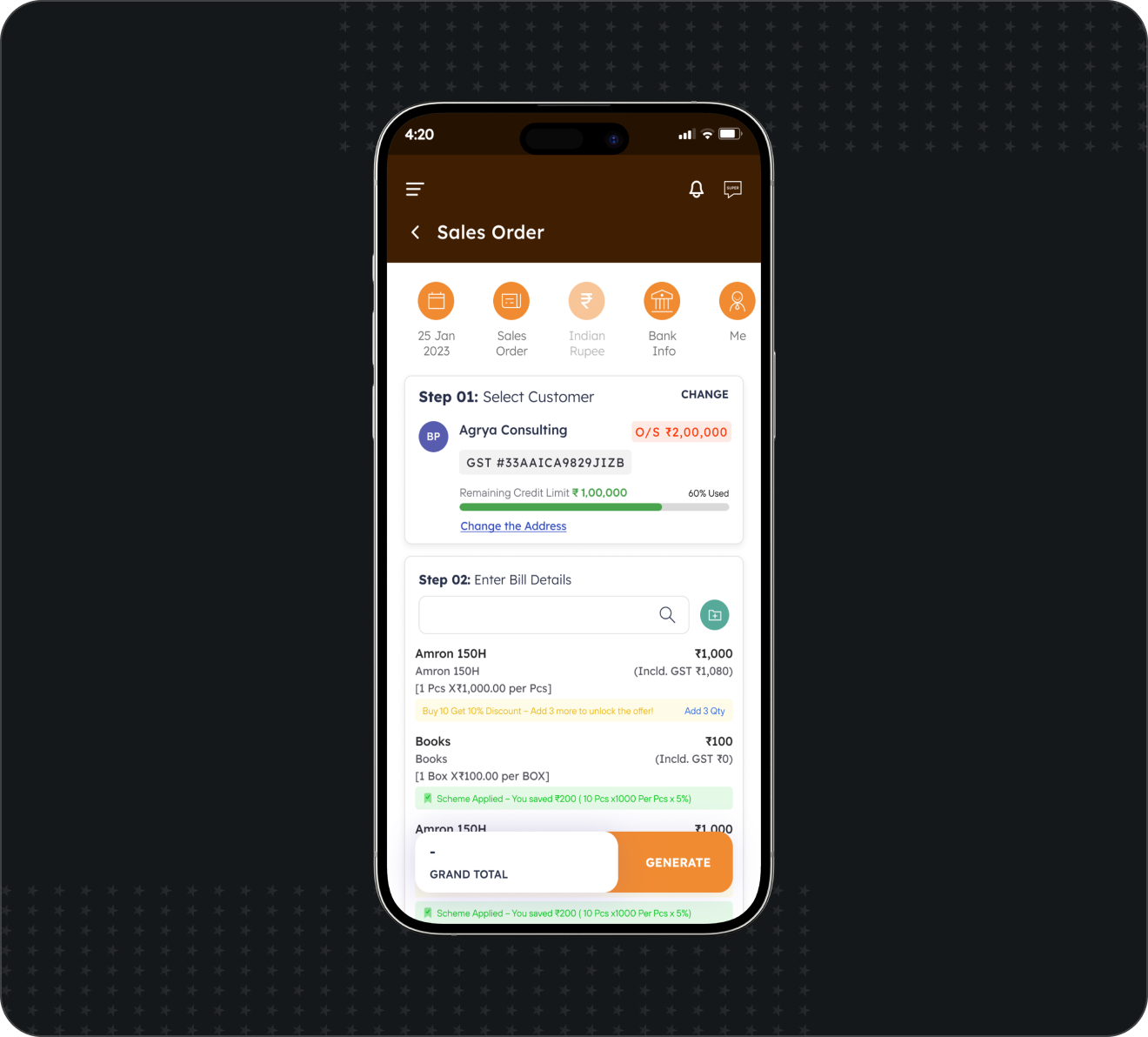
A. The Centralized Order Hub
They moved order booking out of WhatsApp and into the Effortless App.
The New Protocol: Merchandisers (sales team) now book orders directly in the app.
The Logic: The app forces structured data entry. You cannot book an order without selecting the correct Buyer (synced from Tally), the correct Item, and the correct Payment Terms.
The Impact: The ambiguity vanished. The order details were precise, complete, and instantly visible to everyone.
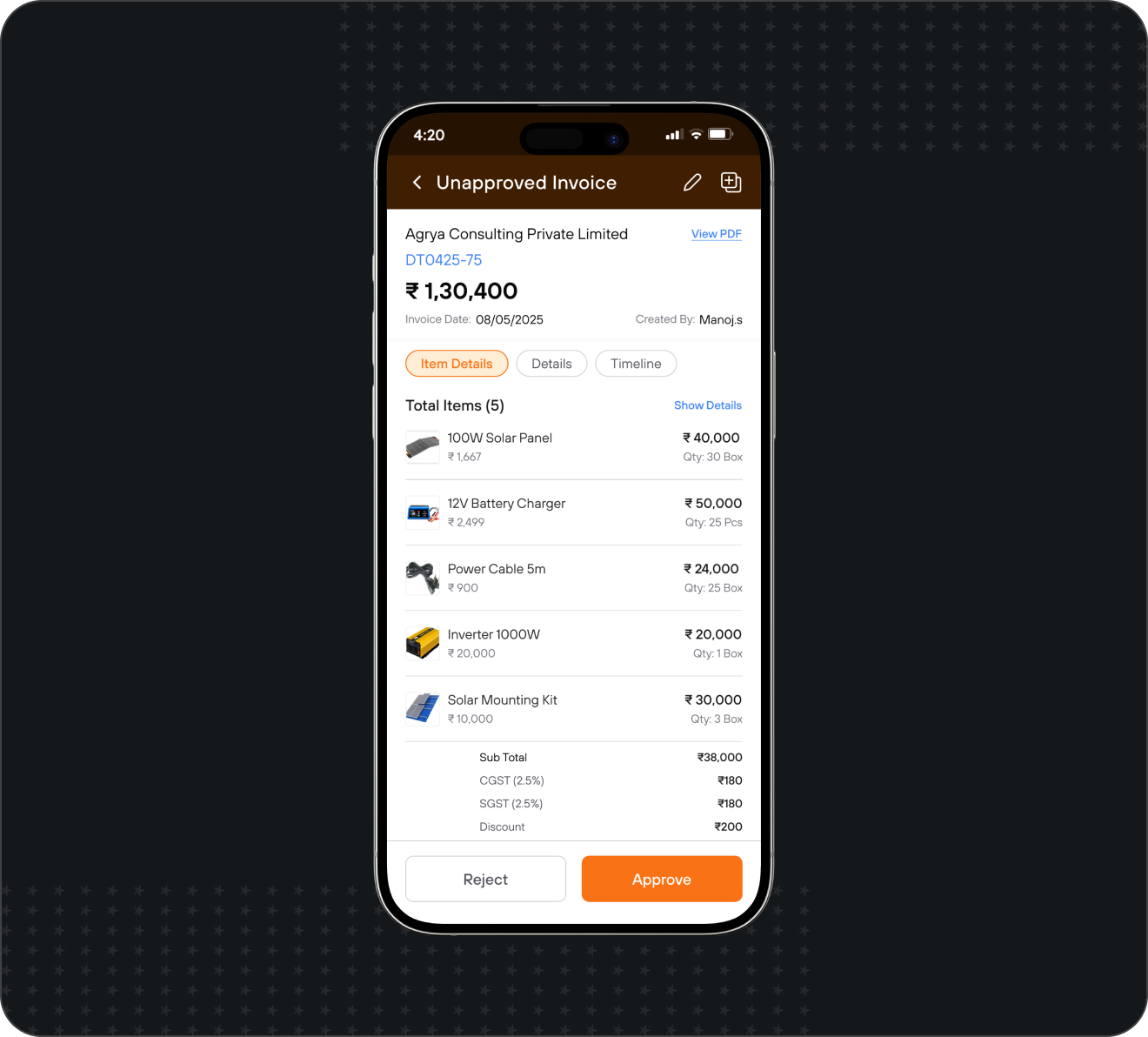
B. The "Digital Handshake" (Approval Workflows)
They implemented a rigorous approval matrix to prevent bad orders from entering the system.
Credit Checks: If a buyer is over their credit limit (as defined in Tally), the app flags the order immediately.
Management Approval: High-value orders or those with special discounts now route automatically to the MD for digital approval.
The Result: The "Digital Handshake" ensures that Commercial & Finance teams are aligned before the order is accepted, not after.
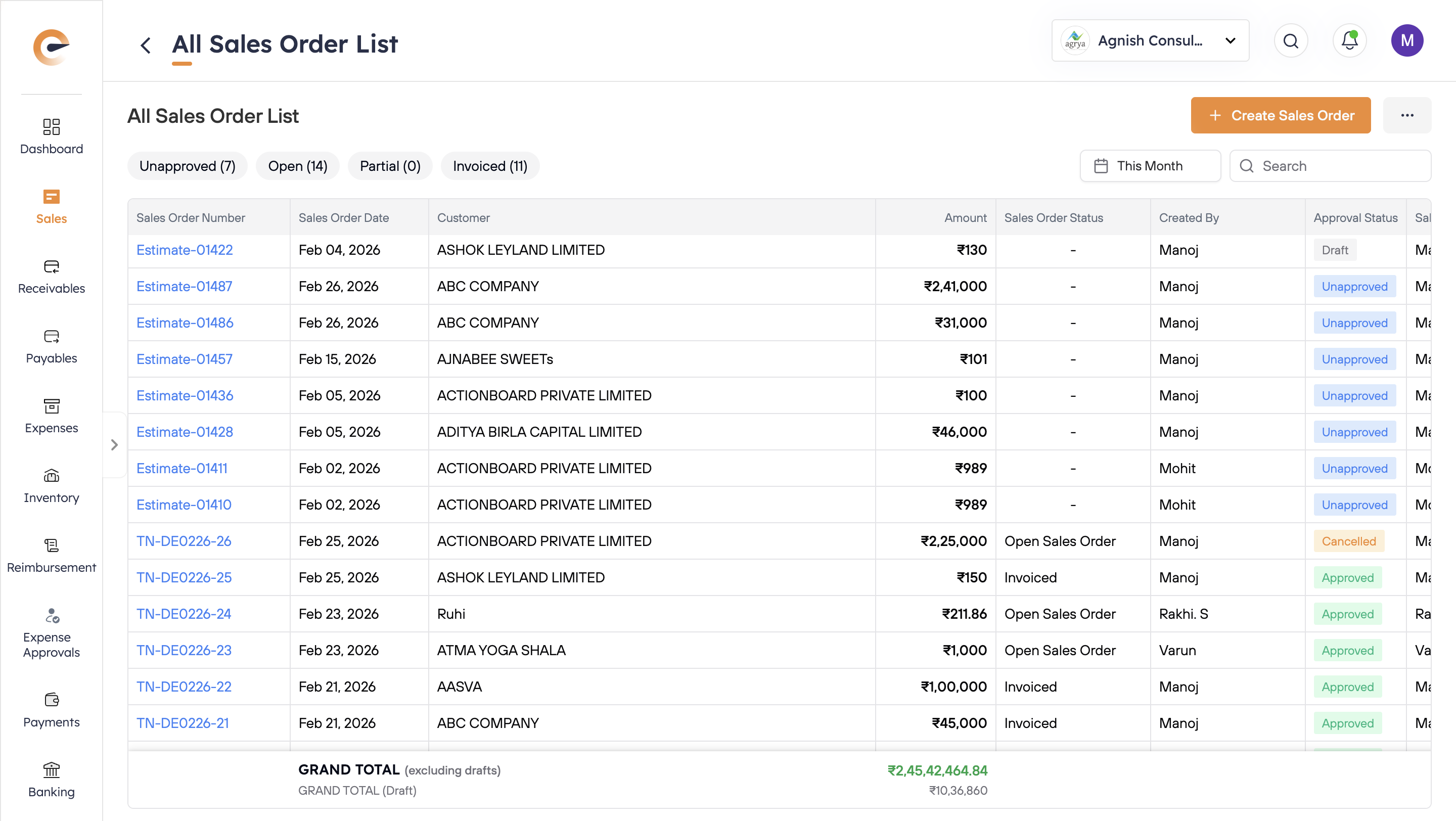
C. Strategic Visibility
The management team gained a "Control Tower" view.
Real-Time Dashboard: The MD can now see the exact status of every order—Booked, Approved, Invoiced, or Dispatched—on their mobile screen.
Sales Reporting: Instead of compiling manual Excel reports at month-end, the sales data is live. They can analyze performance by Merchandiser, by Buyer, or by Region instantly.
4. The Outcomes: 10X Velocity
The impact of this transformation was immediate and measurable.
1. Faster Processing Speed By eliminating the data entry lag and the "WhatsApp chase," the time from "Order Confirmation" to "Sales Order Entry in Tally" dropped to near zero.
"Effortless has brought my entire Sales and Operations team onto one platform and removed the clutter from Order to Cash Management. Now we can process orders 10X faster and seamlessly with full control."
— Mr. Gautham Jain, Managing Director - Krish Fashion Private Limited
2. Elimination of Manual Effort The Accounts team no longer spends their day decoding WhatsApp messages or typing data manually. The orders sync directly to Tally. This freed up the finance team to focus on higher-value tasks like collections and analysis rather than data entry.
3. Zero Communication Gaps The "Single Source of Truth" meant that Merchandising and Accounts were finally looking at the same data. Disputes over "who said what" disappeared, replaced by a transparent digital audit trail.
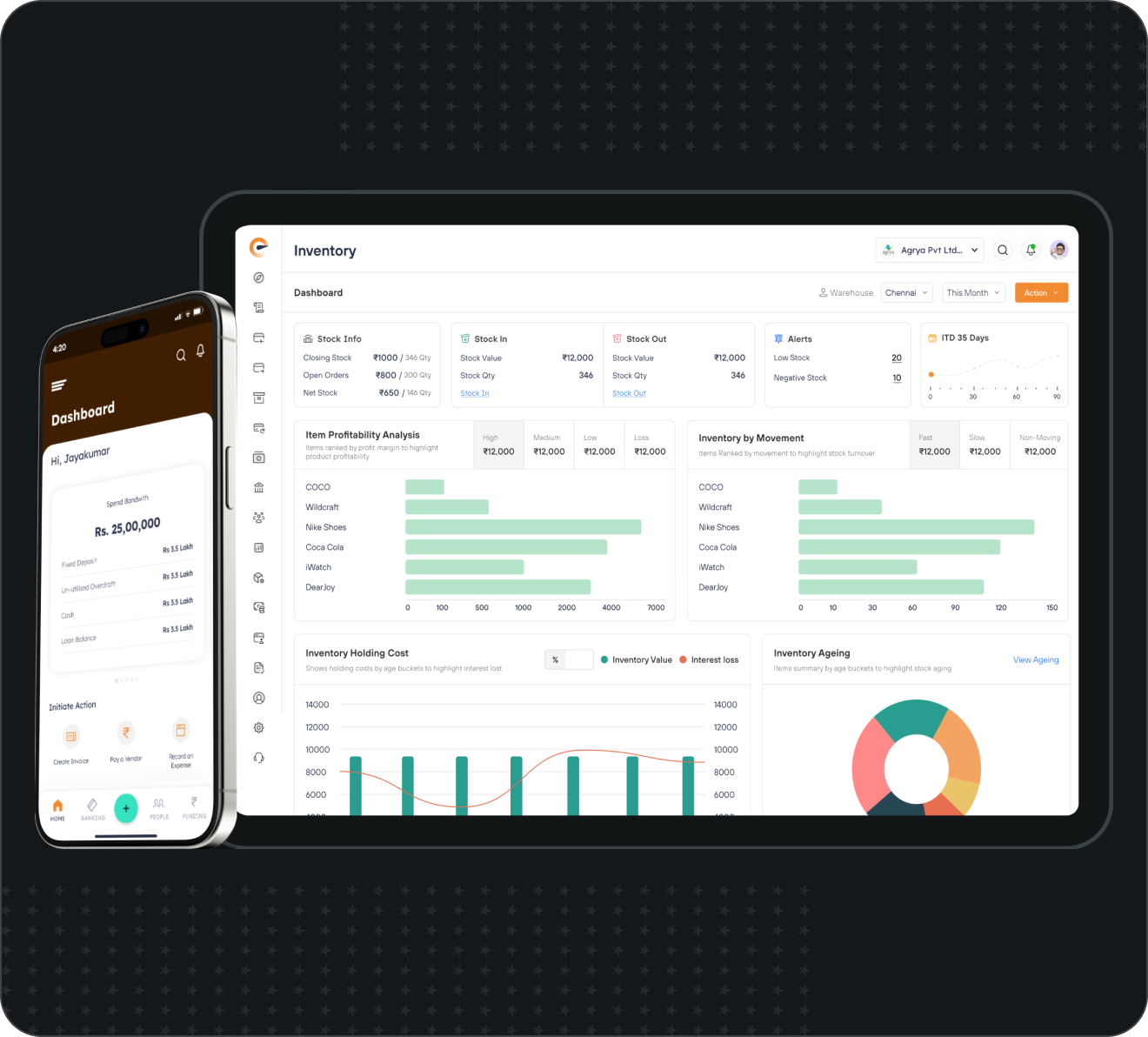
Conclusion: From Chaos to Control
Krish Overseas proves that you don't need to replace your core systems (like Tally) to modernize your business. You simply need to bridge the gaps between them.
By replacing unstructured chat with a structured "Operating System", they turned their Order-to-Cash process from a bottleneck into a competitive advantage. They stopped managing chaos and started managing growth.
Key Takeaways & FAQ
Q1: How did this solve the "WhatsApp Problem"?
A: WhatsApp is great for chat but terrible for transactions. Effortless replaced the "Chat Order" with a "Digital Form." This ensured that every order had all the necessary fields (Buyer, Item, Price, Terms) mandatory before submission, eliminating the "incomplete info" back-and-forth.
Q2: Did the Merchandisers resist using a new app?
A: Adoption was high because the app made their lives easier. They no longer had to call the office to check stock or credit limits—the app showed them real-time data from Tally. It gave them autonomy.
Q3: How does this help with Sales Reporting?
A: In the old system, reports were historical (post-mortem). In Effortless, reports are real-time. Management can see the "Open Order Book" live, allowing for better production planning and cash flow forecasting.
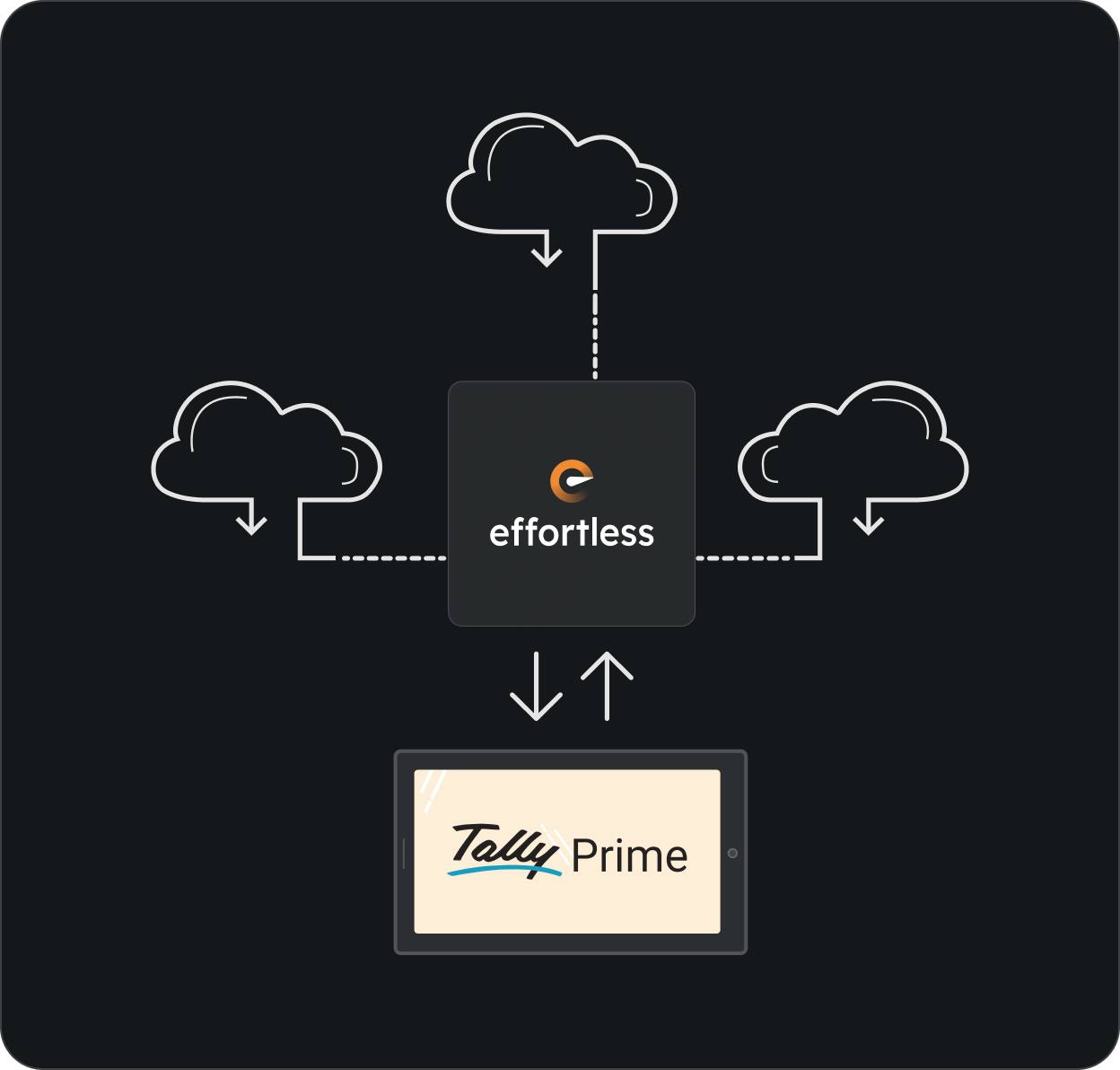
Q4: Is Tally still used?
A: Yes. Tally remains the financial core. Effortless acts as the front-end "System of Engagement." All approved orders sync back to Tally automatically, keeping the accounts books perfect without manual effort.
Suggested Reading from the Effortless Edge Blog
Why "WhatsApp Reporting" is Killing Your Scale – A deep dive into why chat-based operations fail at scale.
The "User Adoption" Metric: Why your team will use Effortless – How to get non-tech teams to adopt digital tools.
Instant Gratification: Why syncing orders to Tally in real-time makes customers happier – The customer-side benefits of speed.
Watch:
Growth Doesn't Wait. Why Should You?
Let Effortless help you scale—without the scramble.
Talk to Us
Have questions about how Effortless can transform your business? Our team of experts is ready to help.
- Schedule a personalized demo
- Get your specific questions answered
- Discuss your unique business challenges
We'll reach out within 4 business hours
Request Demo
See Effortless in action with a personalized demo tailored to your business.
- No generic presentations
- Focus on your specific challenges
- Get a clear picture of your potential ROI
Choose a time that works for you
Your Growth Engine Starts Here
More growth, less overhead. Discover how India's fastest growing businesses do it.
- Automate invoicing, collections & approvals
- Track sales team performance
- Get cashflow clarity in real-time
Clarity in 30 minutes. No pressure, just proof.